The University of Maryland Center for Environmental Science (UMCES) proudly announces its Centennial Celebration, marking one hundred years of groundbreaking environmental research, education, and public service. Since its founding in 1925, UMCES has been at the forefront of understanding and addressing the pressing environmental challenges of our times. UMCES’s work has evolved over the decades, tackling the most critical issues of each era, from protecting the Chesapeake Bay to addressing the global climate crisis. The Centennial is not just a celebration of the past but a launchpad for the future, as UMCES steps into its role as a world leader in environmental science, driving innovative solutions for sustainable development and economic growth.
“UMCES’s 100-year journey is a testament to the power of science to drive solutions for a better future,” said President Fernando Miralles-Wilhelm, who recently joined UMCES after a distinguished 30-year career in academia, the private sector and international development organizations. “As we celebrate this milestone, we look forward to continuing our mission to advance environmental science and finding pathways for sustainability on a global scale.”
Vision for the Future
For its Centennial UMCES aims to build on its legacy with a bold vision for the next century:
- Strengthening Collaborations: UMCES is prioritizing partnerships with other institutions, NGOs, and the private sector to create strategies that address environmental and economic challenges. “Working together across our labs and locations will allow us to collaborate more effectively,” said Miralles-Wilhelm.
- Investing in Science: A critical priority is leveraging existing support to attract philanthropic contributions and private investment. “We need a strategy to embrace all available resources, from private donors to industry.” noted Miralles-Wilhelm.
- Emerging Research Areas: UMCES is committed to exploring critical topics such as sustainable food production, climate change impacts, and nutrient cycling, supporting the United Nations’ Sustainable Development Goals. “The way we grow food and manage resources will be pivotal for addressing societal challenges like poverty, disease, and hunger,” Miralles-Wilhelm explained.
A Legacy of Science and Service
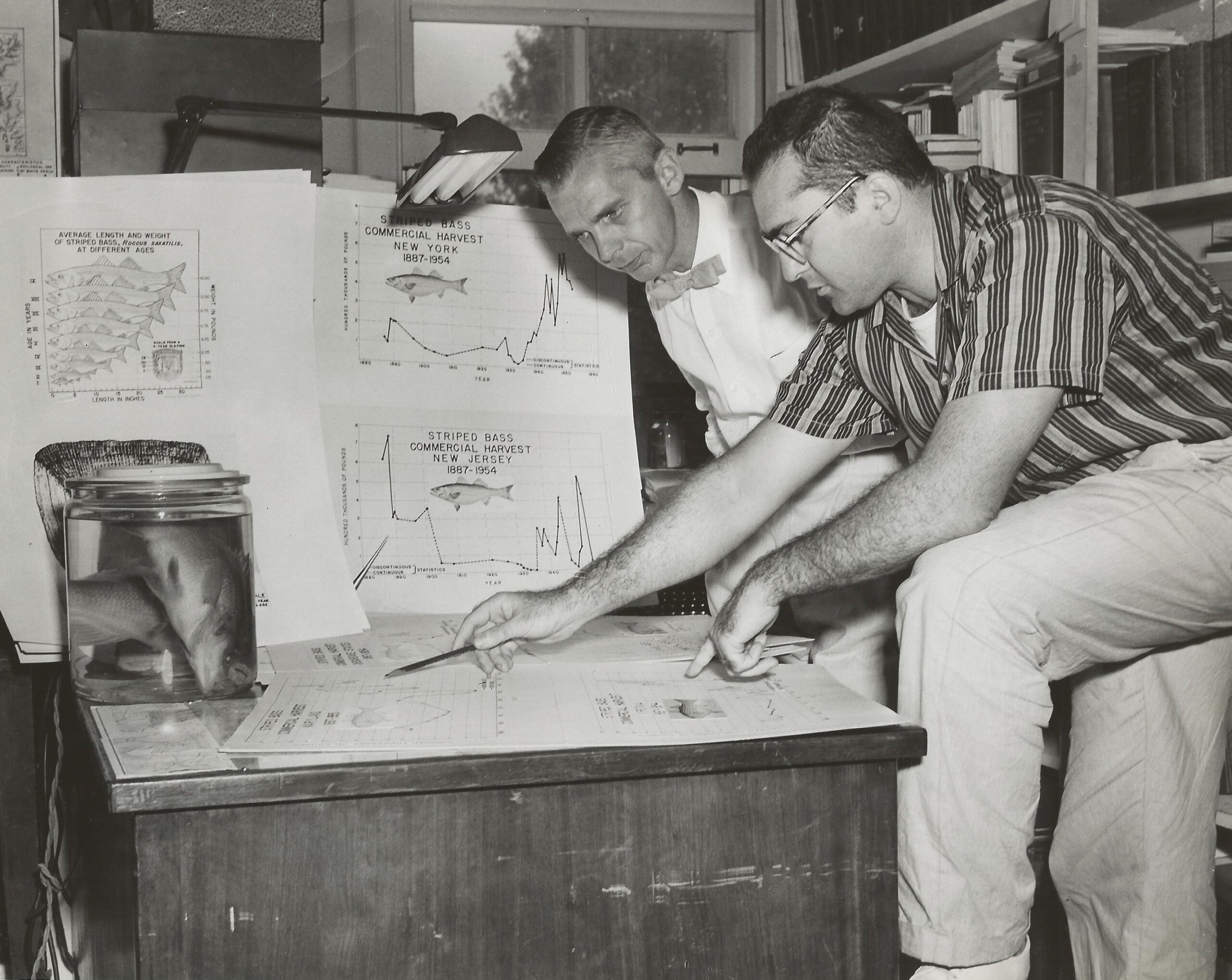
UMCES’s rich history is rooted in its dedication to understanding complex ecosystems, applying research to solve real-world problems, and engaging with communities locally and around the world. From groundbreaking research on Chesapeake Bay to international collaborations, UMCES has demonstrated how science can drive meaningful change.
To commemorate this historic milestone, UMCES is collecting and sharing one hundred stories throughout the centennial year. These stories will highlight the people, discoveries, research breakthroughs, and places that have shaped its journey and illustrate the institution’s enduring impact on science and society.
The centennial celebration year will kick off in January with a series of events honoring UMCES’s legacy and exploring its vision for the future.
- January 24, 2025, 2:00 PM – Chesapeake Biological Laboratory
- January 27, 2025, 2:00 PM – Horn Point Laboratory
- January 30, 2025, 1:00 PM – Appalachian Laboratory
- February 6, 2025, 2:00 PM – Institute of Marine and Environmental Technology
The Human Connection to Science
The UMCES community exemplifies a steadfast commitment to making science impactful, a dedication recognized both within Maryland and on a global scale. This spirit is reflected in the work of individuals like professor Walter Boynton, whose lifelong focus on applied science earned him the title “Admiral of the Chesapeake” from Maryland Governor Martin O’Malley. It is also seen in the efforts of Alexandra Fries, whose work around the world exemplifies the power of effective scientific communication.
“The heart of UMCES is its people, who bring their expertise and dedication to solving the most urgent environmental challenges,” said Dr. Jeff Cornwell, geochemist, and oceanographer at UMCES. “Climate change is not just a scientific concept—it is an all-encompassing force that influences everything we do, from understanding water quality to ensuring coastal resilience. Our work is about empowering communities and ecosystems to adapt and thrive in a rapidly changing world.”
Equally important is UMCES’s role in preparing the next generation of environmental scientists. Over the past century, UMCES has trained and mentored graduate students who are now making a significant impact in environmental research, policy, and conservation efforts. These alumni are driving change in leading agencies, influential NGOs, and top academic institutions around the world. UMCES students benefit from firsthand research opportunities in diverse ecosystems, access to world-class faculty, and collaborations with industry and government partners. This comprehensive education equips them with the skills and knowledge to tackle complex environmental challenges, ensuring a legacy of scientific excellence and environmental stewardship for generations to come.